
The Hidden Costs of Keeping an Empty Property in South Wales
Owning an empty property in South Wales can be expensive. Learn the hidden costs and explore your options as a property owner.
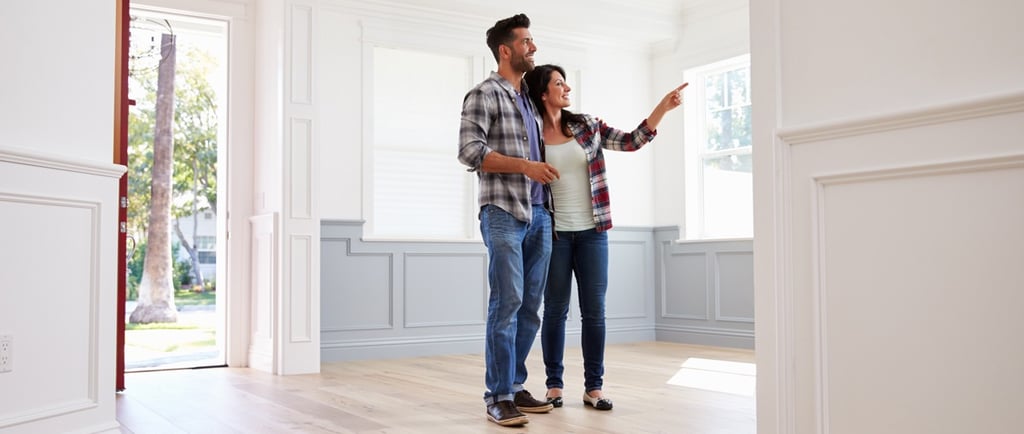

The Hidden Costs of Keeping an Empty Property in South Wales
Many property owners assume that holding onto an empty property costs very little. However, vacant homes can become surprisingly expensive over time.
Whether you've inherited a property, recently moved out, become an accidental landlord, or are undecided about selling, understanding the true costs of an empty property is important.
In many cases, delaying a decision can cost far more than people realise.
Council Tax Costs
One of the first expenses property owners encounter is council tax.
While some exemptions and discounts may apply depending on the property's circumstances, many empty homes become fully liable for council tax after a period of time.
For long-term vacant properties, additional premiums may also apply.
Before leaving a property empty indefinitely, it's worth understanding what charges may apply.
Insurance Can Be More Expensive
Insuring an empty property is often more expensive than insuring an occupied one.
Many standard home insurance policies have restrictions if a property remains vacant for a certain number of days.
Vacant property insurance can cost more and often comes with additional requirements, such as regular inspections and security measures.
Ongoing Maintenance and Repairs
Even when nobody is living in a property, maintenance doesn't stop.
Common issues include:
Damp and condensation
Garden overgrowth
Roof deterioration
Plumbing problems
Security concerns
Small issues can quickly become expensive repairs if left unattended.
Utility Standing Charges
Even when little or no energy is being used, many properties still incur utility standing charges.
Water, electricity, gas, broadband, and other services can continue generating costs month after month.
These expenses often go unnoticed until owners add up the total cost over a year.
Risk of Deterioration
Properties generally perform best when they are occupied and maintained.
Empty homes can deteriorate faster due to a lack of heating, ventilation, and regular attention.
The longer a property remains vacant, the more likely it is that issues will develop that could affect its future value.
Missed Opportunities
Perhaps the biggest hidden cost is opportunity cost.
An empty property may represent:
Locked-up equity
Potential rental income
Development opportunities
Investment capital for future projects
Holding onto a property without a clear plan can sometimes prevent owners from achieving other financial goals.
What Are Your Options?
If you own an empty property in South Wales, there are several possible routes forward:
Rent the Property
Suitable for owners looking to generate long-term income.
Renovate the Property
Improving the property's condition may increase its value and market appeal.
Sell the Property
For some owners, selling provides certainty, releases equity, and removes ongoing costs and responsibilities.
Explore Alternative Sale Routes
Depending on the property's condition and circumstances, options such as auctions, investor sales, or traditional marketing may be worth considering.
Final Thoughts
An empty property can be a valuable asset, but it can also become an expensive liability if left unmanaged.
Understanding the ongoing costs and available options can help you make an informed decision about the property's future.
At Gower Real Estate, we help homeowners, executors, and landlords across South Wales understand the options available for vacant and underutilised properties. Whether you're considering selling, renovating, or simply exploring your choices, we're happy to provide clear, no-obligation guidance.